This article examines selected Al Oliver baseball cards to help collectors gauge potential value and relevance for American enthusiasts. It highlights five notable cards spanning multiple decades and teams, with essential details drawn from product listings to aid quick reference and decision making.
| Product | Key Features | Brand/Source |
|---|---|---|
| Baseball 1980 Topps #260 Al Oliver VG Rangers | Rangers, Al Oliver, VG condition | Topps Store (via Amazon) |
| Al Oliver autographed baseball card (Montreal Expos) 1984 Topps All Star Set No.21 | Autographed, All-Star Set, Expos | Sports Memorabilia Store |
| 1976 Topps #620 Al Oliver Pittsburgh Pirates | Pirates, NM condition | Topps Store |
| 1984 Donruss #177 Al Oliver NM-MT Montreal Expos Baseball | Montreal Expos, NM-MT | Amazon listing |
| 1977 Topps #130 Al Oliver NM++ Pittsburgh Pirates | Pirates, NM++ | Topps Store |
1980 Topps Al Oliver Rangers Card

The 1980 Topps #260 Al Oliver card features a Ranger era association with Al Oliver. The listing notes that a stock photo is shown and the actual item may vary, indicating potential differences in grading and exact print run details. For collectors focusing on team-era collections, this card represents a straightforward connection to Oliver’s time with Texas, even if condition and exact image vary by listing. Card condition and centering are common considerations with vintage Topps releases, and this example is described as VG (Very Good) in some markets, which can influence value perception among hobbyists.
Al Oliver Autographed Expos Card

This product presents an autographed Al Oliver card from the 1984 Topps All-Star Set, featuring the Montreal Expos. The listing notes the autograph, item weight, and single-package quantity. Autographed cards typically carry premium value for players who achieved All-Star status, especially when authenticated or from a notable era. The provenance of the signings and the condition of the card influence pricing, and collectors should verify authenticity details with the seller when possible.
1976 Topps Al Oliver Pirates Card

The 1976 Topps #620 Al Oliver card reimagines the Pirates era with a vintage design that appeals to players’ fans and team collectors. Market interest often hinges on the card’s clarity, centering, and any corner wear. Descriptive notes indicate a NM (Near Mint) rating in some listings, suggesting a high-grade example relative to common wear. For investors or casual collectors, this card can serve as a representative piece from Oliver’s early Pittsburgh years, aligning with broader Topps releases of the era.
1984 Donruss Al Oliver Montreal Expos Card

The 1984 Donruss #177 Al Oliver card depicts the Montreal Expos chapter of his career. Listings note stock photo representations and potential variations in the actual item. Donruss releases from the mid-1980s offer distinctive backs and artwork that appeal to set builders who focus on 1980s sets. The Expos era adds a regional flavor for collectors aiming to document Oliver’s career across multiple franchises, with condition and autographic status as possible value drivers depending on the specific listing.
1977 Topps Al Oliver Pirates Card
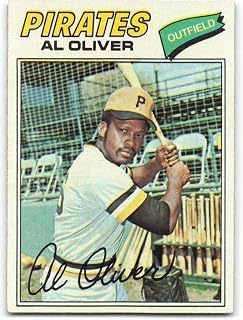
The 1977 Topps #130 Al Oliver card marks a mid-to-late 1970s Pirates edition that remains appealing to set collectors and Pirates fans. Listings emphasize Al Oliver’s association with the Pirates era, with NM++ quality often highlighted as a favorable condition tier. Collectors may weigh this card against other late-70s Topps outputs to determine which condition grades and centering are most predictive of future appreciation within a focused Oliver collection.
Buying Guide: Key Purchase Considerations
- Card condition matters: For vintage Topps and Donruss releases, corner wear, centering, and surface gloss significantly influence value. Near Mint and Mint grades typically command higher interest among serious collectors.
- Autographs and authenticity: Autographed Oliver cards, especially those with clear provenance, can carry added premium. Look for authentication notes from reputable sources or include signed certificates when available.
- Team era significance: Oliver played for multiple franchises, including the Pirates, Expos, and Rangers. Cards tied to a well-known team era may appeal to regional collectors and team-specific sets, potentially affecting demand.
- Edition variety vs. market demand: 1976-1980 Topps cards are common vintage items; however, certain print runs or misprints may attract niche interest. Donruss and later Topps releases offer a different collector appeal due to layout and backs.
- Grading services and market channels: Consider professional grading for high-potential pieces. Compare listings across sources to gauge condition representations, as different sellers may describe the same card differently.
- Completeness versus single standout pieces: A balanced collection may prioritize a few high-potential cards (e.g., signed autographs or NM-MT condition pieces) rather than amassing numerous lower-grade examples.
- Investment versus enjoyment: Decide whether the goal is long-term value growth or personal enjoyment and display. This affects how aggressively one pursues graded cards or limited editions.
- Storage and protection: Proper card sleeves, top loaders, and protective cases help preserve condition, which is critical for maintaining value over time.
- Market timing and trends: Card values can trend with player anniversaries, Hall of Fame discussions, or notable games. Stay informed about hobby news that may influence Oliver card interest.
All five cards present a snapshot of Al Oliver’s collectible footprint across several teams and decades. When evaluating value, collectors should focus on card condition, autograph authentication, and the specific edition characteristics that influence appeal within a targeted collecting scope.
Add a Comment