Discover a curated selection of toys designed to support sensory processing, focus, and calming engagement for children with severe autism. Each item below offers tactile, visual, or auditory input that can help lessen anxiety, improve attention, and promote exploratory play. Use them under supervision to determine the best fit for your child’s needs and routines.
| Product | Brand | Key Benefit |
|---|---|---|
| Sensory Autism Toys for Kids — Textured Stretchy Fidget Toys | LESONG | Stretchy textiles for tactile stimulation and stress relief |
| Fidget Spinner 2 Pack — Light Up | Fasray | Visual and tactile stimulation with LED modes |
| Scientoy Fidget Toy Set — 35 Pcs | Scientoy | Variety for multi-sensory engagement and classroom rewards |
| Joyreal AAC Device — 24 Buttons | Joyreal | Augmentative communication to support nonverbal skills |
| Gigilli Sensory Activity Ball Board | Gigilli | 3D sensory exploration with strings and textures |
These selections emphasize safety, portability, and ease of use in everyday settings—home, school, or therapy environments. They cater to different sensory profiles, from gentle tactile input to engaging light and sound experiences, helping reduce stress and support communication and focus.
Sensory Autism Toys For Kids — Textured Fidget Noodles

- Includes 8 stretchy noodles in 8 colors with unique textures and tension
- Glow-in-the-dark and shimmer features add visual stimulation
- Length details: each string is 10.2 inches long; stretches up to 7.5 feet
- Designed for stress relief, focus aid, and sensory exploration
Fidget Spinner 2 Pack — Light Up Sensory Toys

- Three lighting modes with color-changing effects
- Crystal ABS construction with smooth bearings for quiet operation
- Supports focus and relaxation for kids and adults
- Durable, BPA-free and easy to clean
Scientoy Fidget Toy Set — 35 Pcs
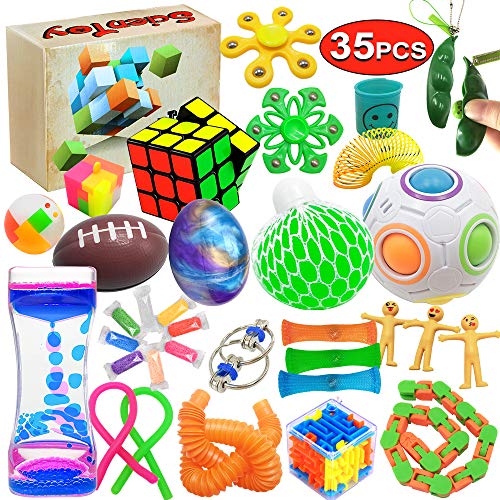
- Contains 35 pieces including a rainbow magic ball, liquid timer, squeeze balls, maze puzzles, putties, and more
- Made of ABS and non-toxic materials; designed to meet safety standards
- Great for classroom rewards and individual calming activities
- Supports attention focus, anxiety relief, and fine motor practice
Joyreal AAC Device for Autism — 24 Buttons

- Includes 24 pre-installed instructions using pictures and color cues
- 6 programmable buttons for personalized messages and prompts
- Adjustable volume with portability for travel and at-home use
- Lightweight and comes with a storage bag for easy transport
Gigilli Sensory Activity Ball Board
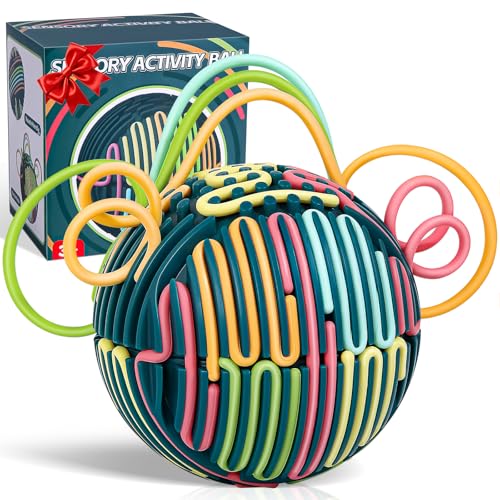
- 3D spherical board with 4×6 non-toxic silicone strings
- Offers tactile activities like pushing, peeling, winding, and bridging
- Supports fine motor skills, hand-eye coordination, and bilateral coordination
- Washable, portable, and comes with a storage bag
Montessori Wooden Sensory Toys — Magnetic Puzzles

- Wooden puzzle with 20 double-sided cards and magnetic pen
- Helps with color recognition, planning, and problem solving
- Age suitability for 4–7 years; supports fine motor skills
- Durable, high-quality materials suitable for classroom use
Chew Necklaces — 6 Pack

- Six patented silicone chew necklaces with different shapes
- 100% food-grade silicone; BPA, PVC, latex, and lead-free
- Easy to clean; dishwasher-safe and freezer-safe
- Designed to reduce fidgeting and provide oral motor sensory input
Buying Guide: Key Purchase Considerations For Autism Sensory Toys
Selecting the right toys for severe autism involves evaluating sensory needs, safety, durability, and practicality. Consider the child’s primary sensory preferences—tactile, visual, auditory, or combined input—and choose items that align with those needs. Prioritize toys that are non-toxic, easy to clean, and sized appropriately to avoid choking hazards. For communication goals, AAC devices can complement therapy by enabling more reliable expression. When possible, seek items with adjustable features, such as volume or mode settings, to accommodate progress and tolerance levels. Finally, ensure supervision during use and rotate toys to sustain interest and prevent overstimulation.
Additional considerations include: compatibility with daily routines (home, school, clinic), potential for social interaction (toys that support sharing or turn-taking), and portability for travel. Compare a mix of stimulations—some calming and some stimulating—to cover varied situations. For children with severe autism, a diverse, structured toy set can support sensory regulation while fostering engagement and learning goals.
Add a Comment